SeedRanch Dichondra Repens Seed, 20 Lbs.
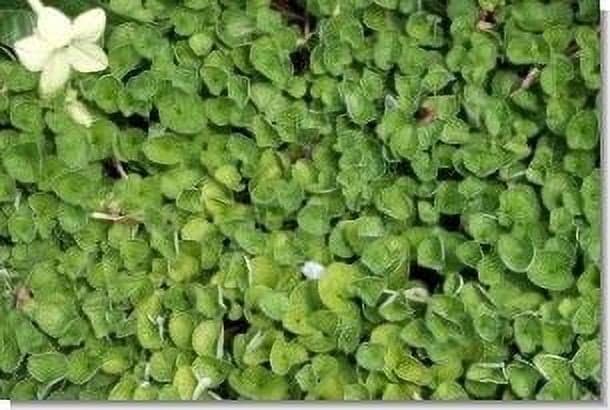
Overview: Dichondra (Dichondra repens) is a fine‑leaved, mat‑forming perennial originally from the southeastern United States. It has become a popular lawn alternative and groundcover in the U.S. South and West Coast as well as in parts of Europe such as Greece, Italy and Spain. Also called lawn leaf or pony foot, Dichondra spreads by underground runners or stolons and produces small, kidney‑shaped leaves about 1/2 inch across. In shade the leaves often enlarge and the stems lengthen. When established, Dichondra creates a clover‑like, dense sod typically 1.5 - 2 inches high and performs well in a wide range of soils, in both sun and shade. Seed and planting specs: Seed Rate: 1.5 to 2 lbs. per 1000 sq. ft. (Note: for coated Dichondra seed the recommended seeding rate is 3 pounds of seed per 1,000 square feet.) Seed Depth: 1/4 inch Planting Time: Spring, Summer (best sown March through May; midsummer sowings will germinate faster but require frequent, careful watering) Fertilizer: 1/2 to 1 lb. per 1000 sq. ft. Mowing (typical): 1/2 to 1 inch Soil pH: 5.5 - 6.2 Planting instructions: Prepare the seedbed just as you would for a new turf lawn. For spring sowings no mulch is necessary — rake the seed in lightly and use a light roller. If planting in summer, cover the seedbed with a thin layer of damp peat moss to retain moisture. Do not let the seedbed dry out. For coated seed use the higher seeding rate noted above. Establishment and care: Dichondra requires regular, deep watering during hot periods to develop a robust root system, and it benefits from frequent, light fertilization. Apply a light fertilizer dose (1/2 to 1 lb. per 1000 sq. ft.) at the label’s minimum rate every 2 to 3 weeks during the growing season. Mowing practices: You can maintain Dichondra at various heights depending on appearance and use. In full sun with heavy traffic it will stay low and even and may need mowing infrequently. To encourage a fine, uniform turf mow to about 3/4 height (raise the height during hot weather to reduce stress). If you prefer less frequent mowing, cut at 1-1/2 to 2 height; this will yield a coarser texture with mixed leaf sizes. Avoid cutting too close — scalping can occur; topdress scalped areas with a light mulch to help recovery. Pests and weed control: Dichondra flea beetle can cause severe damage — early signs include browning leaves with engraved feeding lines where tissue has been eaten. If infestation occurs, apply diazinon promptly and follow label instructions carefully. The best defense against weeds is a vigorous Dichondra stand that prevents weed establishment. Hand‑pull any weeds before they set seed. If using herbicides, choose products specifically labeled for the particular weeds in Dichondra lawns and follow the directions exactly; general broad‑leaf weed killers can harm or kill Dichondra, which may be treated as a broad‑leaf plant by some herbicides.
Shipping & Returns
Shipping & Returns